Preventing roof damage this winter is easier than most homeowners expect, and you don’t need to climb a ladder to do most of it. In North Georgia, winter rarely buries roofs in snow. The real threats are freeze-thaw cycles, ice storms, heavy winter rain, and wind that follows a fall full of falling leaves and pine needles. Small problems that go unnoticed in October can turn into leaks by February.
The good news: a little attention in late fall goes a long way. Here are ten practical tricks to protect your roof, your attic, and everything underneath them as temperatures drop.
Quick Winter Roof Checklist
- Clear gutters and downspouts after the last leaves fall.
- Remove leaves, branches, and pine straw from the roof surface.
- Look for dark streaks, moss, or algae on shingles.
- Schedule a professional inspection before the first hard freeze.
- Replace cracked, curled, or missing shingles.
- Check seals around vents, pipes, chimneys, and skylights.
- Close up gaps where pests could get into the attic.
- Trim branches that hang over or touch the roof.
- Seal attic air leaks and confirm insulation and ventilation are working.
- Inspect siding, soffits, and fascia where they meet the roofline.
1. Clean and Repair Your Gutters
Your gutters collect rainwater from the roof and carry it away from your home’s foundation. When leaves, pine needles, and shingle granules clog them, water backs up. It can spill over the fascia, soak the roof decking along the eaves, and pool around your foundation.
In winter, that standing water becomes a bigger problem. On cold nights it freezes, adds weight, and can pull gutters loose from the fascia. Ice in the gutters can also force water back under the bottom row of shingles.
Clean your gutters after most of the leaves have dropped, usually in late November in our area. Then run water through each downspout to make sure it drains freely. Look for sagging sections, loose hangers, and leaking seams while you’re at it. If your gutters are undersized, damaged, or clog constantly, our gutter installation and protection services can help you find a longer-term fix.
2. Remove Debris from the Roof
Debris on your roof is an accident waiting to happen. Wet leaves hold moisture against shingles and encourage rot and growth. Fallen branches can crack or dislodge shingles when the wind moves them. Nuts and berries attract squirrels and other animals looking for a way in.
Pay special attention to valleys, the areas behind chimneys, and the spaces around skylights. These are the spots where debris collects and water slows down.
A leaf blower or a soft roof rake used from the ground can clear light debris. For anything more, call a professional. Falls from roofs and ladders are among the most serious home-maintenance injuries, and winter conditions make surfaces even more slippery.
3. Treat Mildew, Moss, and Algae
Have you noticed dark streaks, green patches, or a black film on your shingles? That’s usually algae, moss, or mildew. Our humid Georgia climate gives these growths plenty of help, especially on shaded, north-facing roof slopes.
Algae streaks are mostly cosmetic at first. Moss is more serious. It holds water against the roof, lifts the edges of shingles, and can let moisture reach the decking underneath.
Never pressure-wash shingles. High pressure strips away the protective granules and shortens the roof’s life. Instead, ask your roofer about gentle cleaning solutions that are safe for your roofing material. If you’re replacing your roof soon, algae-resistant shingles can help keep the problem from coming back.
4. Schedule a Professional Inspection
Walking on your own roof is risky, and it can damage shingles too, especially older ones that have become brittle. A professional inspection gives you a clear picture of your roof’s condition without the risk.
Fall is the ideal time to schedule one. It gives you time to make repairs before the coldest weather and the busiest season for leaks. Many roofing companies, including ours, now offer drone roof inspections. They capture detailed images and measurements of every slope without anyone setting foot on the roof.
A good inspection should cover shingles, flashing, vents, pipe boots, gutters, and signs of moisture in the attic. It should also come with photos, so you can see exactly what the inspector found.
5. Patch Broken or Missing Shingles
Each missing or damaged shingle is an open door for water. Moisture that gets past the shingles can soak the underlayment, rot the roof decking, and drip into your attic insulation. By the time you notice a stain on the ceiling, the damage underneath is often much larger than it looks.
From the ground, look for:
- Bare spots where shingles have blown off
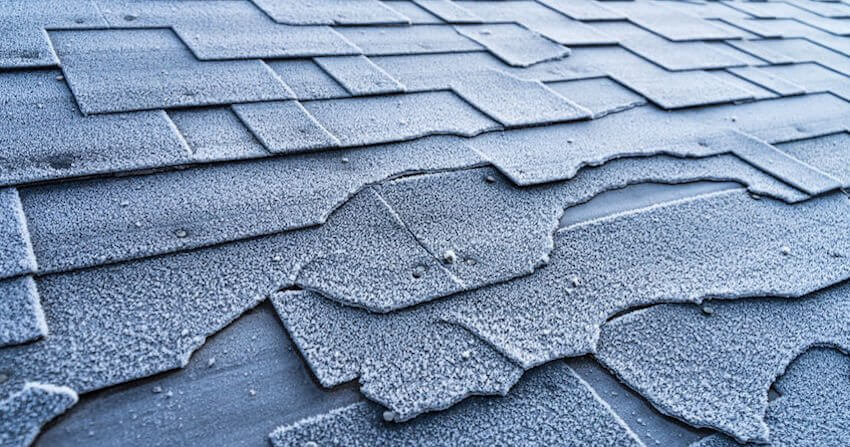
- Shingles that are cracked, curled, or buckled
- Heavy granule buildup in gutters or at the bottom of downspouts
- Exposed nail heads or shingles that look lifted
Replacing a few shingles in the fall costs far less than repairing water damage in the spring. It also keeps the rest of the roof from being exposed to winter wind.
6. Reseal Around Pipes, Vents, Skylights, and Chimneys
Every opening in your roof is a potential leak point, whether it’s a plumbing vent, an exhaust fan, a skylight, a chimney, or a satellite mount. These areas are sealed with flashing, rubber pipe boots, and sealants. All of them wear out faster than the shingles around them.
Sun exposure cracks rubber pipe boots over time. Sealant shrinks and pulls away. Flashing can loosen or rust. Winter temperature swings make these weak spots expand and contract, which opens small gaps even wider.
Fall is the right time to have these spots checked and resealed. If a pipe boot or flashing is past its prime, replacing it is a small job that prevents a much bigger one.
7. Practice Sensible Pest Control
As temperatures drop, squirrels, raccoons, bats, mice, and rats start looking for a warm place to spend the winter. Your attic is an ideal target. Many animals enter through gaps at the roofline, damaged soffits, or loose vents, then chew those openings larger.
Once inside, pests can tear up insulation, chew on wiring, and leave behind droppings that create odors and health concerns. Their entry holes also let in rain and cold air.
Walk around your home and look for chewed edges, gaps along the roofline, and torn vent screens. Seal entry points in the fall, after confirming no animals are living inside. If you suspect an active infestation, call a wildlife professional before closing anything up.
8. Trim Trees Hanging Over and Near Your Roof
Georgia’s mature hardwoods and pines are beautiful, but branches over your roof cause trouble. They scrape shingles in the wind, drop constant debris, shade the roof so moss can grow, and give pests a bridge to your home.
Winter storms add another risk. Ice is heavy, and North Georgia ice storms can bring down limbs that would survive a normal windy day. A single large branch can puncture the roof and expose your home to the weather.
As a general rule, keep branches at least six to ten feet away from the roof. Hire a licensed tree service for large limbs or any work near power lines.
9. Improve Attic Insulation, Air Sealing, and Ventilation
Not all roof damage comes from outside. Warm, humid air from your living space can leak into the attic, where it condenses on the cold underside of the roof deck. Over a winter, that moisture can lead to mold, rotted decking, and wet insulation that no longer works.
Heat escaping into the attic can also melt snow or ice on the roof unevenly. The water refreezes at the colder eaves and forms ice dams that push water under shingles. Ice dams are less common in Georgia than up north, but they do happen during our occasional winter storms.
Three things work together to prevent these problems:
- Air sealing: Close gaps around attic hatches, recessed lights, plumbing, and wiring holes so warm air stays in your home.
- Insulation: Keep heat in the living space and the attic cold. ENERGY STAR’s seal and insulate guide explains recommended insulation levels and how air sealing fits in.
- Ventilation: Balanced intake and exhaust vents carry moisture out of the attic. If your attic feels damp or stuffy, have your attic ventilation checked.
Take a flashlight into the attic once each fall. Look for damp insulation, frost or water drops on nails, dark stains on the decking, and daylight showing through the roof.
10. Check Your Siding, Soffits, and Fascia
Your roof and siding work together to keep water out. When the edges where they meet are damaged, both suffer. Rotted fascia can loosen your gutters. Damaged soffits can let pests into the attic and block ventilation. Gaps where the siding meets the roof can let water run behind the walls.
During your fall walk-around, look for peeling paint, soft or discolored wood, loose soffit panels, and gaps along the roofline. These repairs are much easier to handle before winter rain sets in.
Signs You Should Call a Roofer Now
Some problems shouldn’t wait for spring. Schedule a professional inspection right away if you notice any of these:
- Water stains on ceilings or walls
- Damp or musty smells in the attic
- Shingles visible in your yard after a storm
- Daylight coming through the roof boards in the attic
- Sagging areas on the roof
- Gutters pulling away from the house
Frequently Asked Questions
When is the best time to prepare a roof for winter?
In North Georgia, aim for October through early December. That’s after most leaves have fallen but before the first hard freeze and the wettest winter weeks. It also gives you time to schedule repairs before roofers get busy with storm calls.
Can a roof be repaired in the winter?
Yes. Many repairs can be done safely in winter, especially in Georgia’s milder climate. Shingle sealants need warmth to bond properly, though, so roofers plan around temperature and weather. Fixing issues in the fall is usually easier and gives the best results.
How often should I have my roof inspected?
Once a year is a good rule, plus after any major storm with high winds or hail. Older roofs, or roofs with a history of leaks, benefit from more frequent checks.
Let Hopewell Roofing Help You Prevent Roof Damage
Every hour you spend on winter roof prep protects your home from costly damage. A small leak rarely stays small. Water can ruin insulation, ceilings, drywall, and wiring long before you see it from inside.
A well-maintained roof also keeps your family comfortable, keeps drafts and pests out, and helps your heating system work more efficiently.
If you’re not sure where your roof stands, our team at Hopewell Roofing & Restoration can help. We’ll inspect your roof, show you what we find, and recommend only the work it needs. Schedule your free inspection today and head into winter with confidence.
This article is by Hopewell Roofing. Hopewell Roofing & Restoration is a GAF Master Elite roofing contractor serving Cumming, GA, and the surrounding areas. With over 16 years of experience, our team delivers expert roofing services you can trust.
Get a Free Estimate